
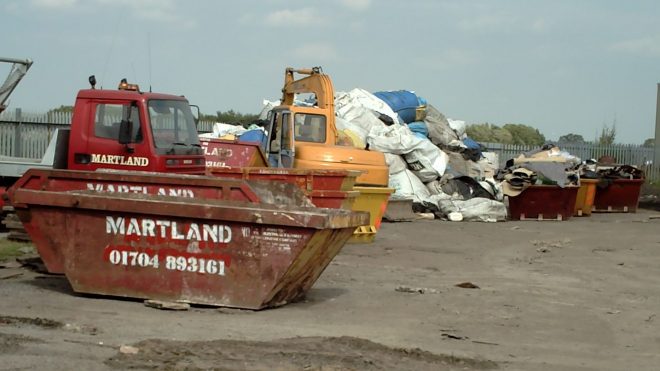
Hiring a skip can be a daunting experience if you’ve never done it before. Everyone assumes you already know how it all works. This beginners skip hire guide is here to help demystify the process, answer common questions, and set you up for a smooth rental experience. If you’re wondering what you can put in a skip, what cannot be put in a skip, and how to choose the right skip size, you’re in the right place.
Introduction: Why a Skip Hire Guide Matters
Starting a big clean-out, home renovation, or garden clearance often means dealing with a lot of waste. A skip is a convenient, cost-effective way to manage that waste, but the details can be tricky. This beginners skip hire guide aims to break down the essentials, from prohibited items to access requirements for the skip lorry, so you can hire with confidence and avoid costly surprises.
What Can You Put in a Skip? A Practical List
One of the first questions beginners ask is what items are allowed in a skip. While it’s easier to list what cannot be put in a skip, understanding the general guidelines helps you plan effectively. Here are common categories:
- General household waste: furniture, packaging, DIY debris, clean rubble, and similar non-hazardous items.
- Mixed waste: a mix of paper, plastics, wood, and textiles, as long as they’re not restricted.
- Construction and renovation waste: drywall, tiles, bricks (check local regulations for the amount and type).
It’s important to note that some items are prohibited in most skip hire situations. These can include asbestos, batteries, clinical or medical waste, electrical appliances, fluorescent tubes, fridges and freezers, air conditioning units, gas canisters or bottles, hazardous or toxic materials, liquid oil, petrol or diesel, paint tins, plasterboard, tyres, televisions or computer screens. If any prohibited items are found when your skip is emptied, you may be charged extra or the restricted items may be returned to you. Always check with your local skip hire provider for their specific rules.
What Cannot Be Put in a Skip? A Clear Checklist
To prevent surprises, here is a concise list of items that are commonly prohibited:
- Asbestos and asbestos-containing materials
- Batteries and chemical waste
- Clinical or medical waste
- Electrical appliances and electronics (some recyclers may allow certain items)
- Fluorescent tubes and other hazardous light tubes
- Fridges and freezers
- Air conditioning units
- Gas canisters or gas bottles
- Hazardous or toxic materials (chemicals, solvents, pesticides)
- Liquid oils, petrol, diesel
- Paint tins with liquids
- Plasterboard (some councils have specific disposal rules)
- Tyres
- Televisions or computer screens
If any of these prohibited items are discovered during skip emptying, be prepared for potential extra charges or return of items to you. When in doubt, ask your skip hire company for a definitive list.
Keeping Your Skip Safe: Public Area Considerations
If your skip is placed in a public area, it’s essential to monitor what goes into it. People may add their own rubbish, which can lead to the inclusion of prohibited items. As the customer, you are generally responsible for the contents of your skip. To minimize the risk:
- Use a skip with a secure lid if possible.
- Place signs or notices indicating the skip is for your project waste only.
- Keep the area supervised during daylight hours if feasible.
- Choose a skip size appropriate for your project to avoid overflow.
Skip Size: What Size Should You Hire?
Choosing the right skip size is crucial to avoid overpaying or underestimating your needs. Skip sizes are commonly measured in cubic yards (yards) or cubic metres, and the pricing usually scales with volume. Here are general guidelines:
- Small skips (2-4 yard): suitable for small bathroom or kitchen renovations, garden waste, or a decent clear-out of a single room.
- Medium skips (6-8 yard): ideal for larger clean-outs, garages, or mid-length refurbishments.
- Large skips (10-12 yard and up): best for major renovations or large volumes of waste.
A helpful rule of thumb: larger skips are cheaper per cubic metre of waste, but if you don’t have enough waste to fill it, you’ll be overpaying. Also, most councils do not allow skips bigger than 8 yards on the public highway. If you anticipate a lean waste load, a smaller skip or multiple smaller skips may be more economical and manageable. Discuss your project with the skip hire company to determine the most cost-effective option.
Access Requirements for the Skip Lorry
Skips are delivered on large lorries, wider than a car. For a smooth delivery, you need to ensure there is enough room for the lorry to access the chosen location. Consider:
- Space: Clear the path and ensure there is ample space for turning and maneuvering.
- Ground stability: The surface should be solid and even to prevent sinking or tipping.
- Obstructions: Remove parked cars, low-hanging branches, and overhead wires.
- Narrow access: If the driveway or entrance is narrow, confirm with the skip hire company whether the lorry will fit or if alternative delivery arrangements are needed.
If access is narrow or tricky, it’s crucial to communicate this upfront. A professional skip hire provider can advise on whether a smaller skip or a different delivery method is more suitable.
Martland’s Burscough Skip Hire: A Local Example
If you’re in the area and looking to order a skip for your next project, you can reach a local, friendly option like Martland’s Burscough skip hire. They typically offer a tailored skip hire quote and can help you determine the right skip size, advise on prohibited items, and coordinate delivery and collection. Local providers often have a better grasp of council rules and peak demand times, which can streamline the process.
How to Prepare for Your Skip Hire
- Plan ahead: Decide on the skip size and the best location for delivery and pickup.
- Sort waste: Begin separating items that can go into the skip from those that cannot.
- Check council rules: Some areas have restrictions on skip placement, permit requirements, and available hours for lorry access.
- Be mindful of living spaces: If the skip is in a public or residential area, communicate with neighbours to prevent accidental placement of unauthorized waste.
A beginners skip hire guide aims to remove confusion and help you approach rental with a clear plan. Remember to identify what you can and cannot put in a skip, choose the right size for your project, ensure safe and accessible delivery, and stay aware of public-area guidelines. With careful planning and a trusted provider, your skip hire experience can be straightforward, cost-effective, and stress-free. If any prohibited items are discovered during emptying, be prepared for potential additional charges or item returns. And if you’re unsure, contact a local skip hire office to receive a tailored quote and personalised guidance for your project. Beginning your next project with the right skip hire approach will save time, money, and headaches in the long run.
Burscough Skip Hire 01704 779345
Southport Skip Hire 01704 779345
Skelmersdale Skip Hire 01695 769123
Bamber Bridge Skip Hire 01772 364 399
Chorley Skip Hire 01257 752399
Leyland Skip Hire 01772 364399

