
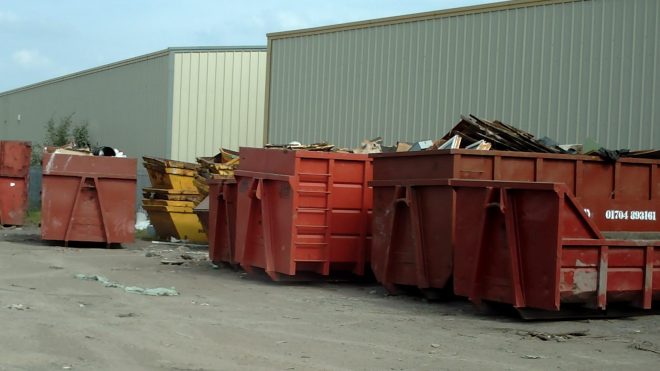
If you’re working on a building or renovation project, you’ve probably heard of skips and waste containers. Among the many options, the roll on roll off skip, often abbreviated as roro skip, stands out for its impressive capacity. In this guide, we’ll answer the question: what is a roll on roll off skip? We’ll also help you decide if a roro skip is the right choice for your project and explain the other skip types you might consider.
Introduction: Why skips come in different sizes and styles
Choosing the right skip isn’t just about how much waste you generate. It’s about the type of materials you’re disposing of, the space you have on site, and how easily the skip can be moved and emptied. A Roll On Roll Off skip is designed for large quantities of dry waste and is commonly used in the construction industry. By understanding what is a roll on roll off skip, you’ll be able to match your project needs with the most efficient waste management solution.
What is a Roll On Roll Off Skip?
A Roll On Roll Off skip is a large container primarily used in construction and major commercial projects. The defining features are:
- Very large capacity to hold high volumes of waste
- Designed for dry, inert waste streams such as bricks, concrete, timber, metal, glass, and debris
- Back opening doors that are wide and sturdy to allow easy access for forklift trucks or dumpers
- A shape and size optimized for efficient loading from the ground and efficient removal by heavy lifting equipment
These skips are much larger than standard domestic skips, which makes them ideal for projects with substantial quantities of waste. They are not always suitable for every site due to space requirements and weight limits, but when you need to remove large volumes quickly, a roro skip can be the most economical choice.
Sizes and load considerations: choosing the right capacity
One of the key questions is: what sizes are roll on roll off skips available in? Roll on roll off skips come in a range of capacities to balance volume with the ability to transport and lift safely.
- Small to mid-range roro skips: These can handle heavy waste like bricks, soil, rubble, and other inert materials. They are useful for medium-scale demolition or renovation where space is still a consideration.
- Large roro skips: The biggest roll on roll off skips offer substantial capacity for very large projects. However, it is important to avoid overfilling. If a roll on roll off skip is filled beyond its safe lifting capacity, it can become too heavy to move and pose safety risks.
- Weight limits and fill levels: Always follow the supplier’s guidance on maximum fill levels. For heavy waste, you may need to cap the fill level to ensure safe removal. For lighter bulk waste such as timber, metal, or glass, you can fill more generously within the stated weight limit.
If you’re unsure, a waste management professional can help you calculate the expected weight and determine the most appropriate skip size.
How a Roll On Roll Off Skip compares with other skips
If a roll on roll off skip sounds perfect for your project, you’ll still benefit from understanding how it stacks up against other common skip types.
- Standard skips (8-, 10-, 12-, 14-yard): These are more versatile for small to medium projects and are easier to place on tighter sites. They’re well-suited for mixed waste or waste streams that require sorting on-site.
- Midi skips (around 4-ton): Popular for smaller building jobs and garden clearances. They strike a balance between capacity and site flexibility.
- Builders skips (8-ton): Ideal for larger building projects, heavier waste streams, and combined waste. They offer substantial capacity without the extreme size of a roro skip.
- Roll on roll off skips: Best for large-scale industrial or construction projects where waste volume is very high and space is available for a longer-term skip solution. They excel in efficiency when you have continuous waste generation.
Choosing the right type depends on waste volume, waste type, site space, and the time horizon of the project.
Site considerations: when to choose a roro skip
Before renting a roll on roll off skip, assess your site for:
- Access to the site for heavy lifting equipment and for the vehicle that will deliver and remove the skip
- Enough space to place the skip and maneuver equipment around it
- The expected rate of waste generation. If waste will pile up quickly, a larger skip with faster removal cycles may be advantageous
- Weight and material types to ensure the skip can safely handle the waste
If your site doesn’t meet these conditions, a smaller skip or a different waste management plan might be more practical.
Practical tips for using a Roll On Roll Off skip effectively
- Plan loading: Arrange for loading to begin promptly after delivery to avoid extended on-site time.
- Sort waste where possible: If allowed, separate debris like timber, metal, and concrete to maximize recycling and minimize disposal costs.
- Ensure safe access: Keep pathways clear and ensure forklift or dumper access is available for efficient waste removal.
- Confirm permits and regulations: Some areas require permits for large skips or for placement on public land. Check local guidelines.
If you’re tackling a large construction project with substantial dry waste, a roll on roll off skip is often the most efficient option. Its size and back-opening doors make it easy to load and remove in bulk, saving time and potentially reducing overall disposal costs. However, it’s essential to ensure your site can accommodate such a large container and that the waste type aligns with the skip’s strengths.
If a roll on roll off skip seems too large for your needs, consider smaller options like a 4 tonne midi skip or an 8 tonne builders skip, which can still handle significant waste without the logistical challenges of a roro skip. And if you have questions, don’t hesitate to reach out to your local waste management provider for expert guidance on what is a roll on roll off skip and which skip type matches your project requirements.
Burscough Skip Hire 01704 779345
Wigan Skip Hire 01942 417456
Bamber Bridge Skip Hire 01772 364 399
Chorley Skip Hire 01257 752399
Leyland Skip Hire 01772 364399
Maghull Skip Hire 0151 909 6399

